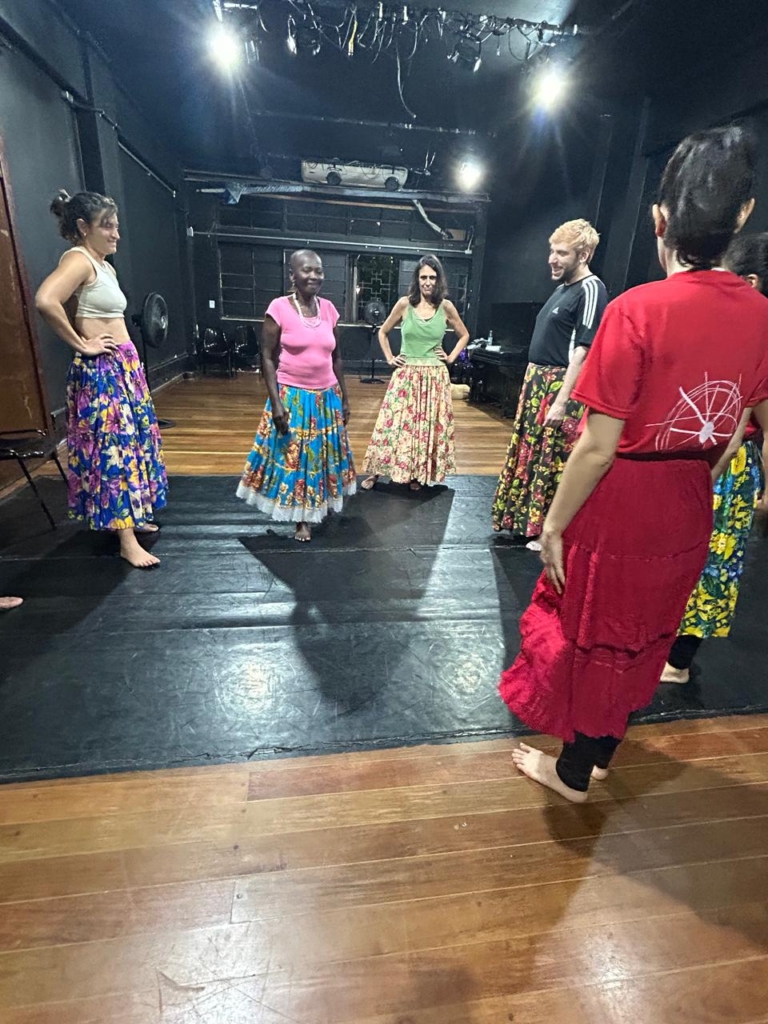
Plural Trajectories and Diverse Knowledges
-Knowledge Exchange with:
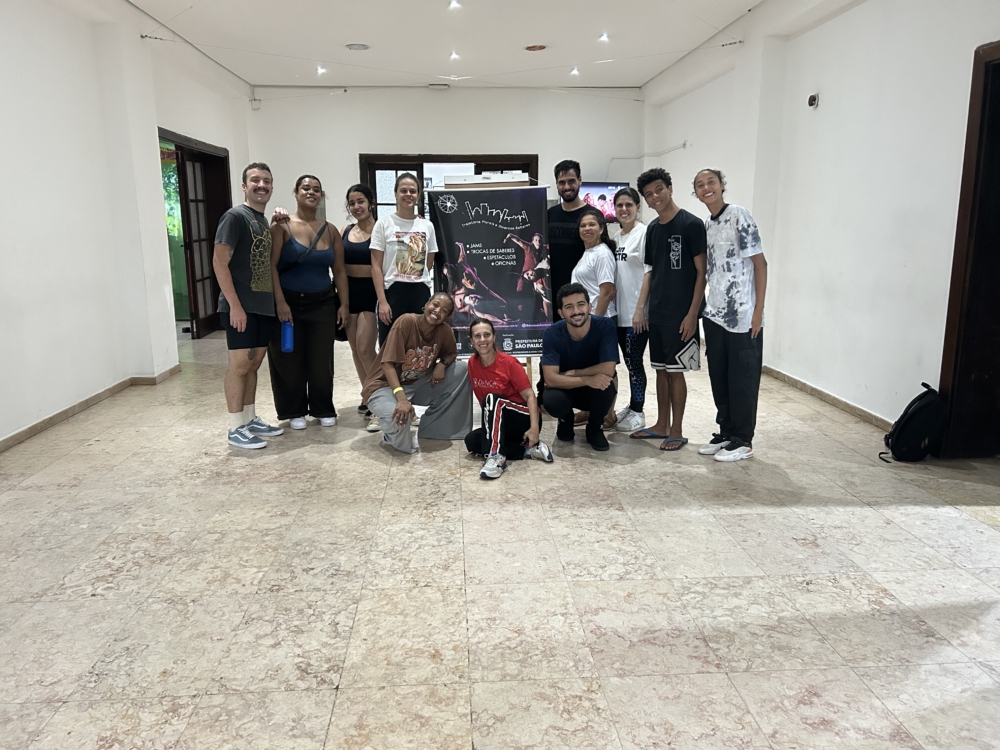
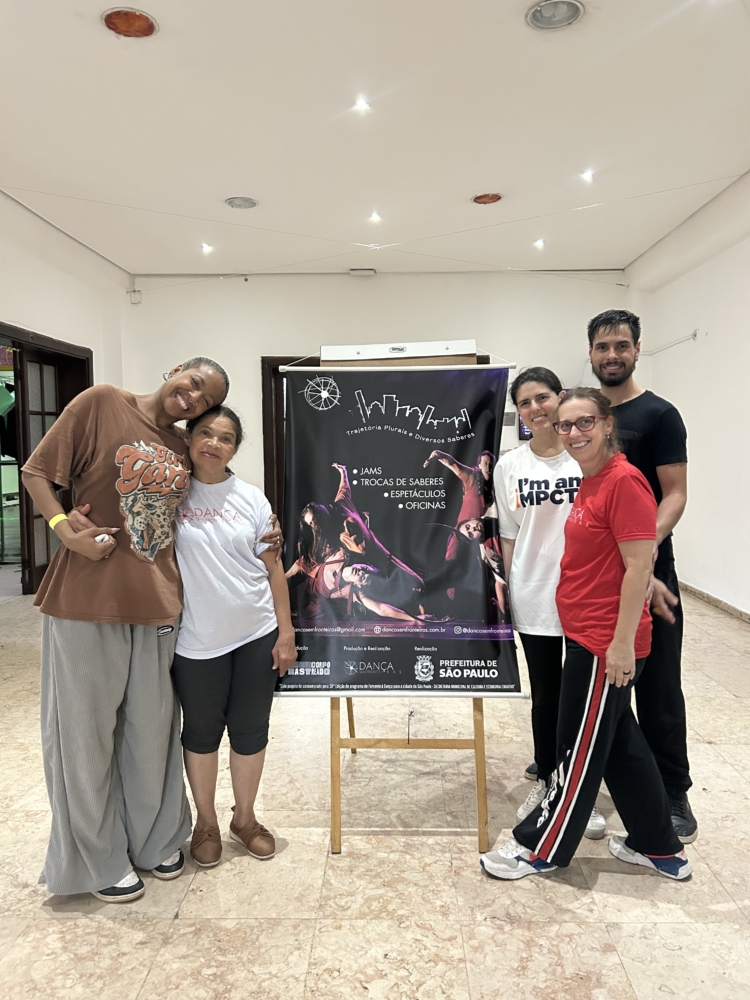
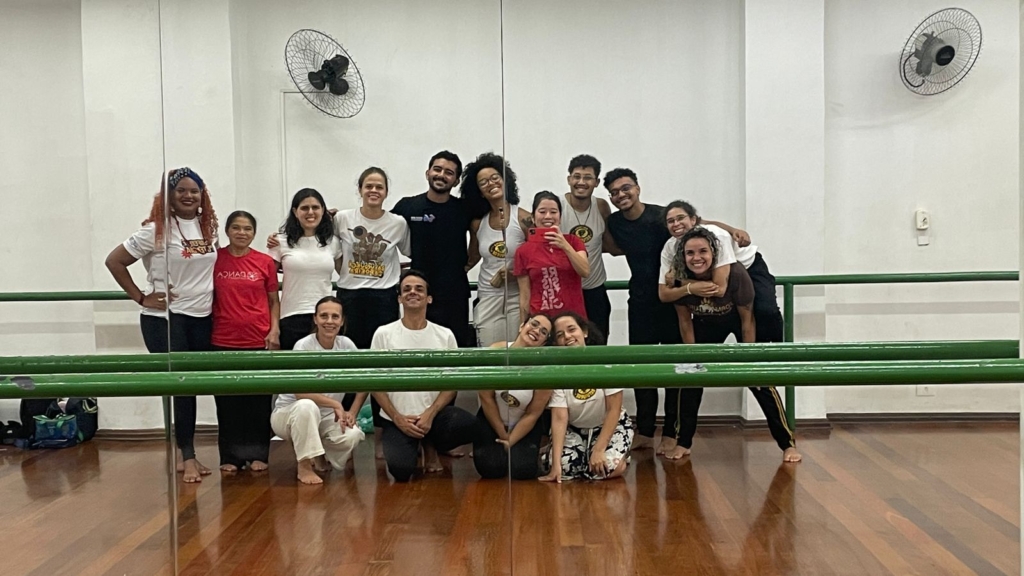
KNOWLEDGE EXCHANGES – Over the years, through its artistic trajectory, Dança sem Fronteiras (Dance Without Borders) has been breaking down the boundaries of dance. The dance forms chosen for these knowledge exchanges were, in their origins, predominantly performed by specific bodies and led mainly by men. The professionals who will collaborate with the company in this project are important figures in the democratization, recognition, and dissemination of these artistic dance forms and cultural expressions.
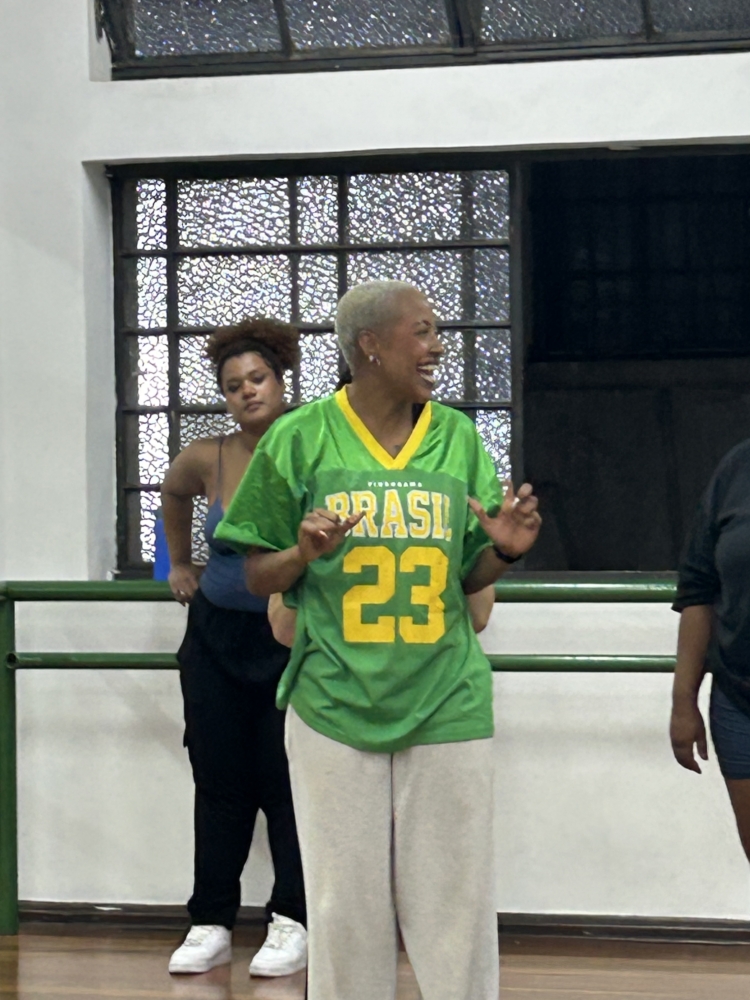
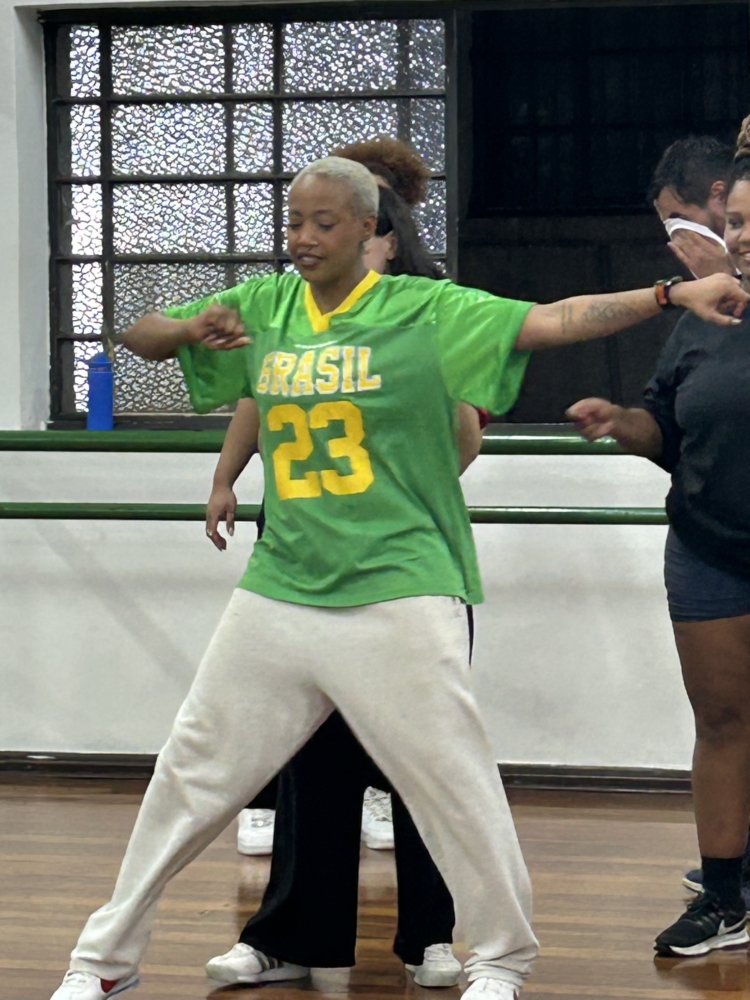
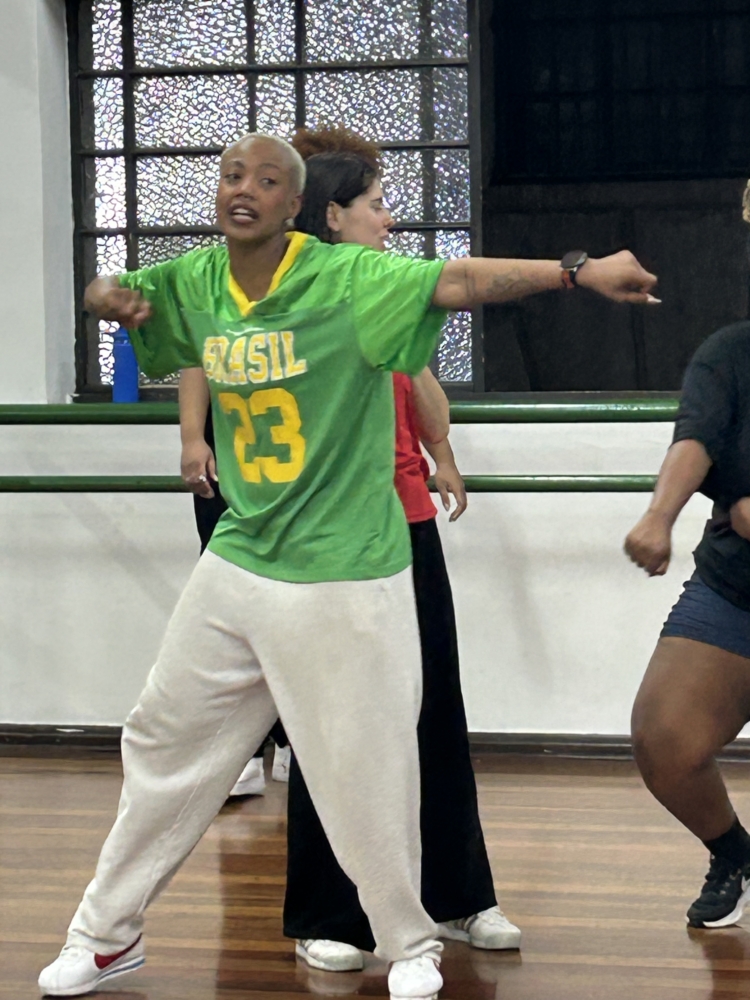
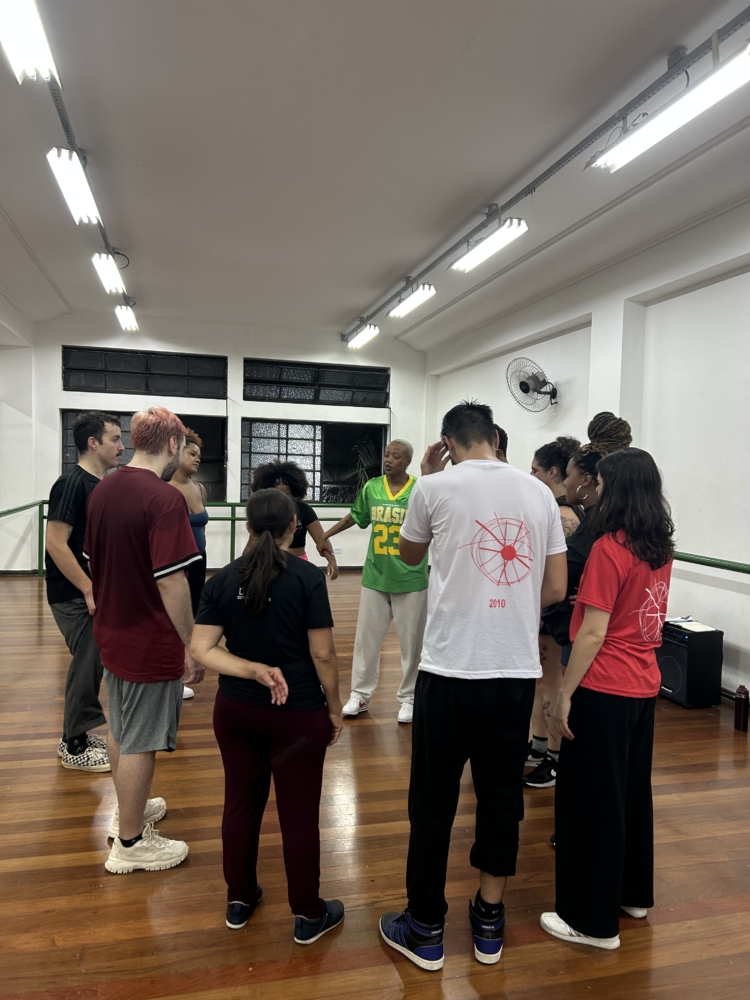
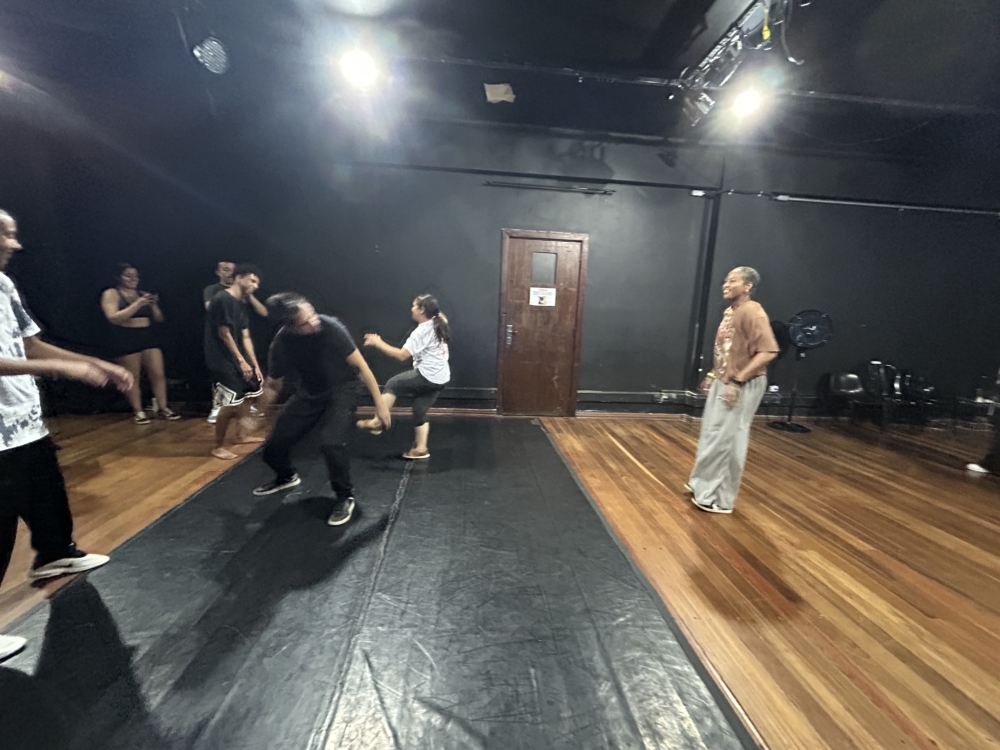
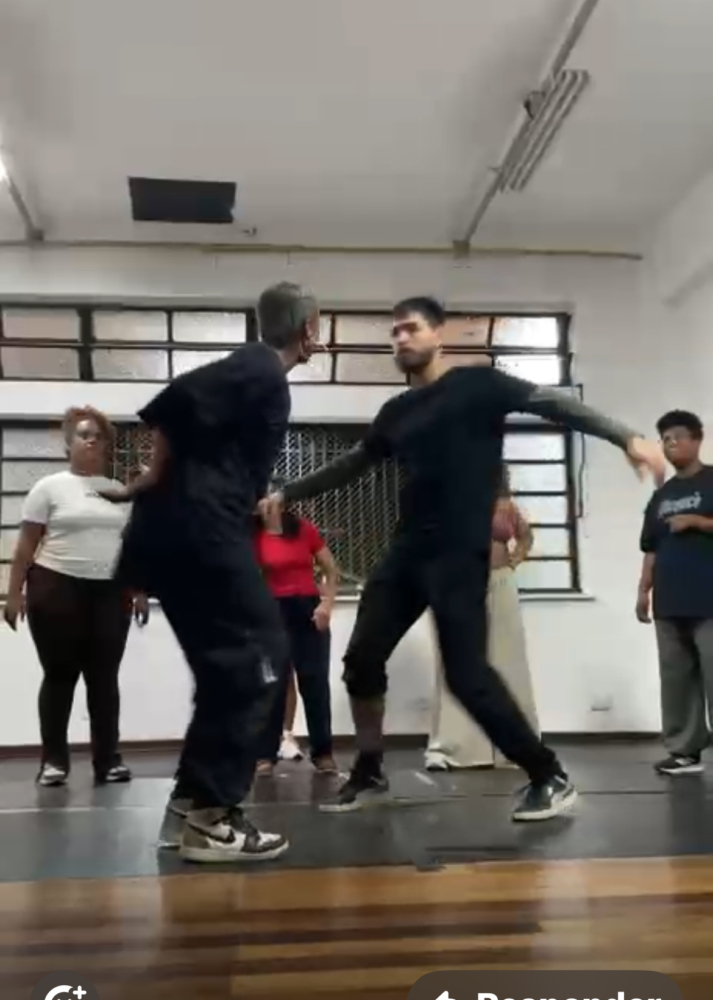
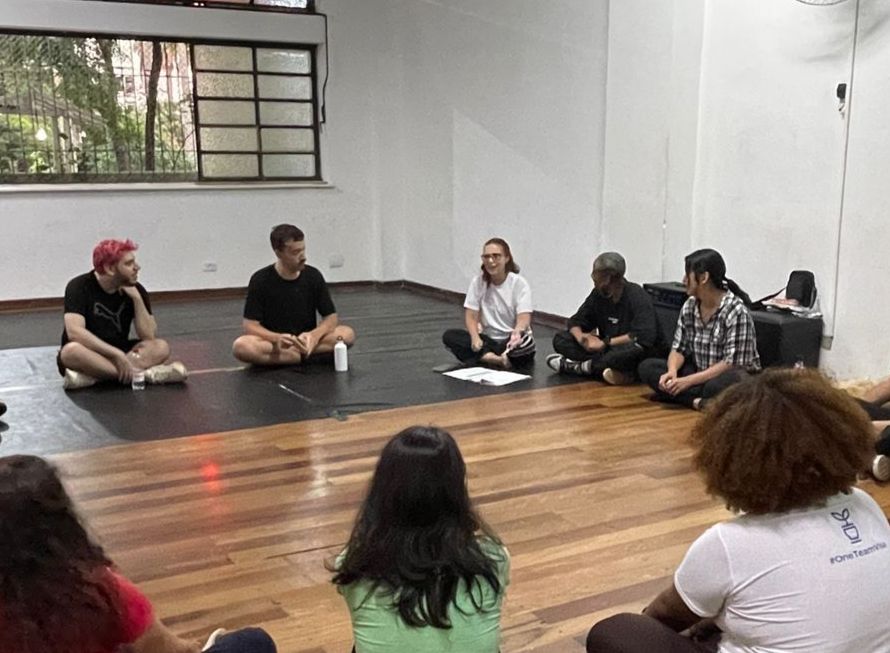
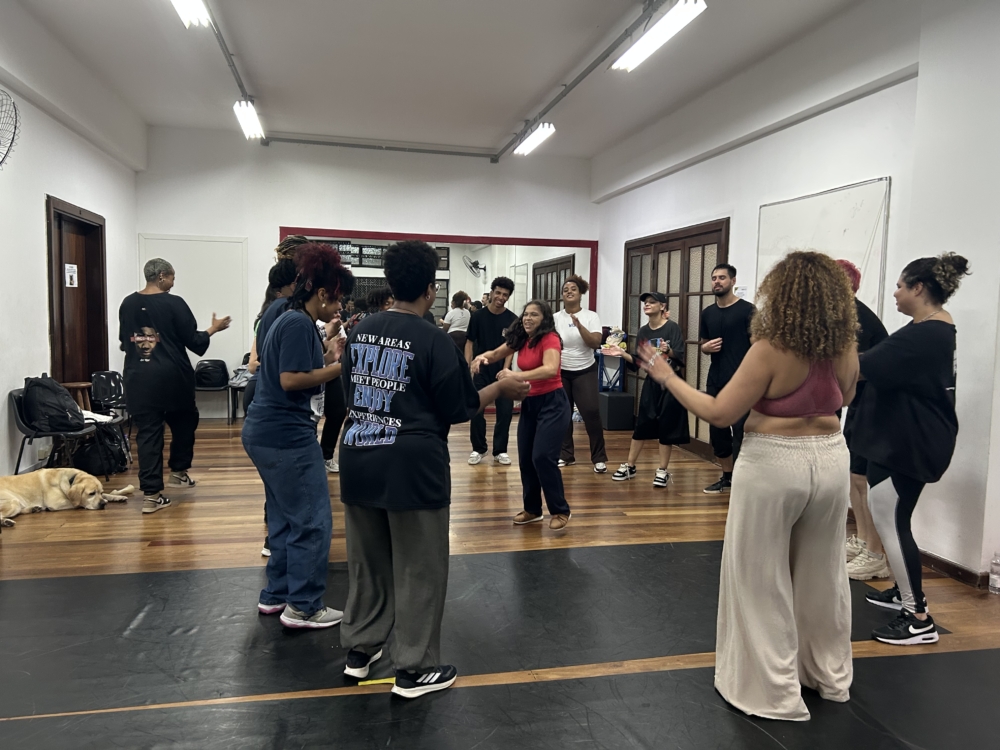
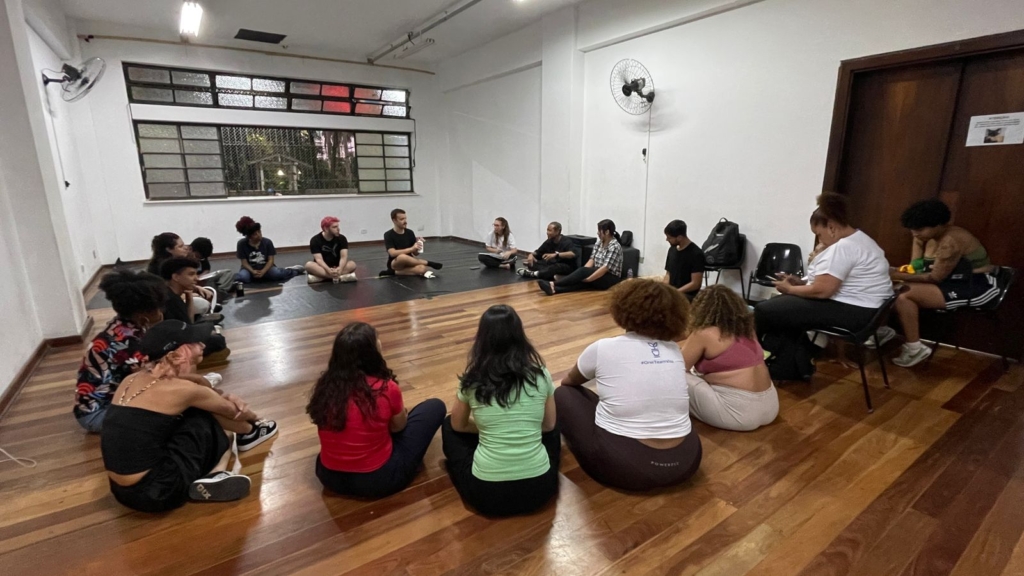
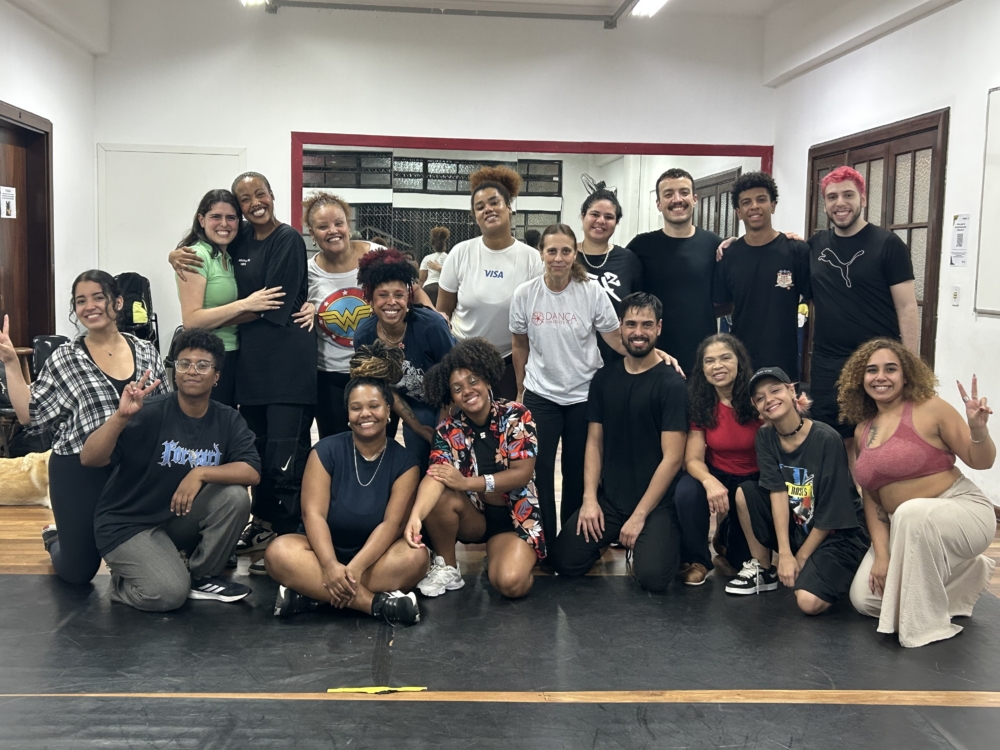
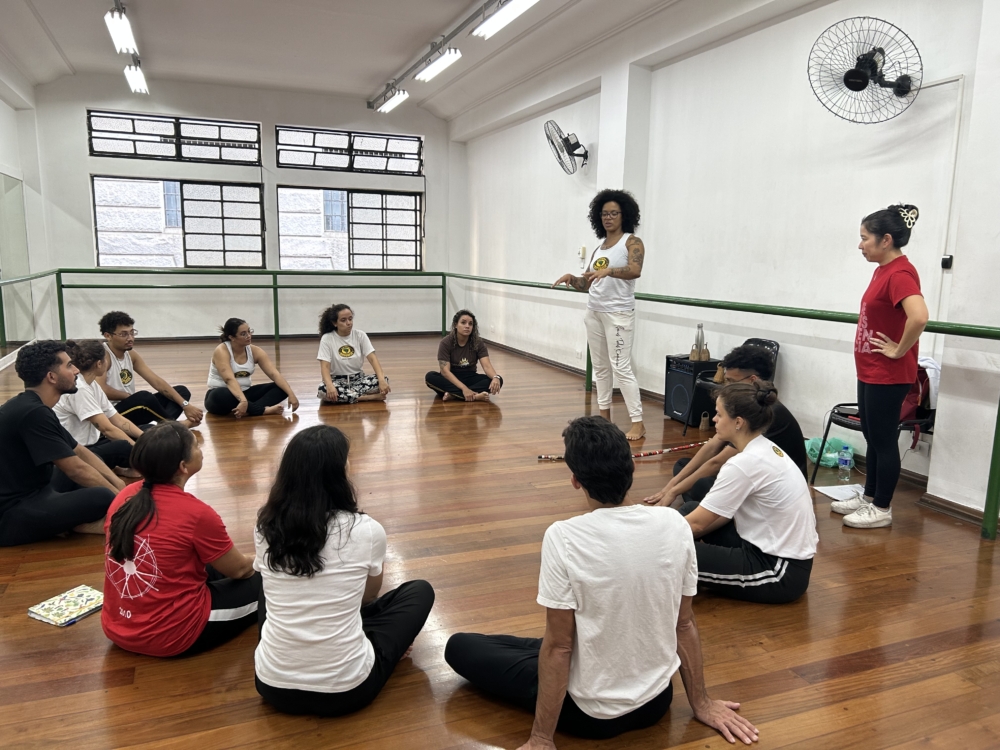
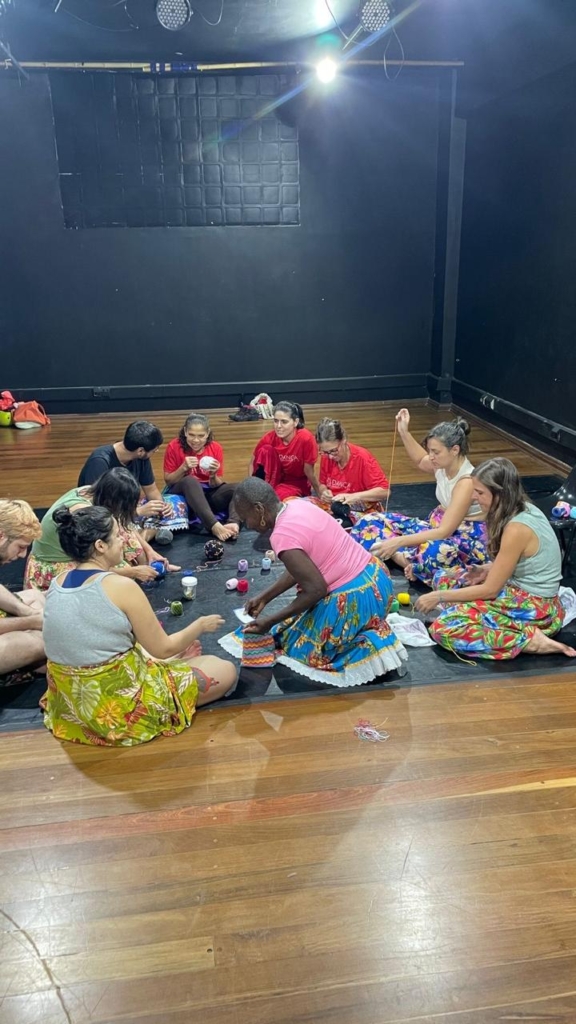
Dança sem Fronteiras will host three dance masters/professionals — Black women working across different artistic languages that engage with diversity, the city, and the multiple meanings and embodied forms of knowledge. Sharing is of utmost importance in all of Dança sem Fronteiras’ work; therefore, these exchanges will be open to everyone to participate in the four-day immersion.
The invited artists will propose practices and reflections during the meetings so that the company can develop research and choreographic material that will give rise to solos or duets for the new performance. In addition to composing sections of the new production, these solos or duets may also function as independent pieces and scenes for other presentations and videodance works. The artists will also be invited to participate in company rehearsals and videodance productions.
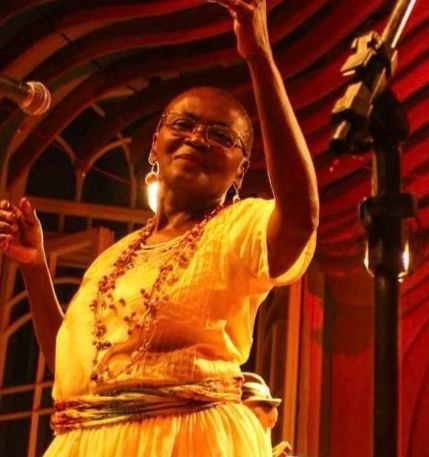
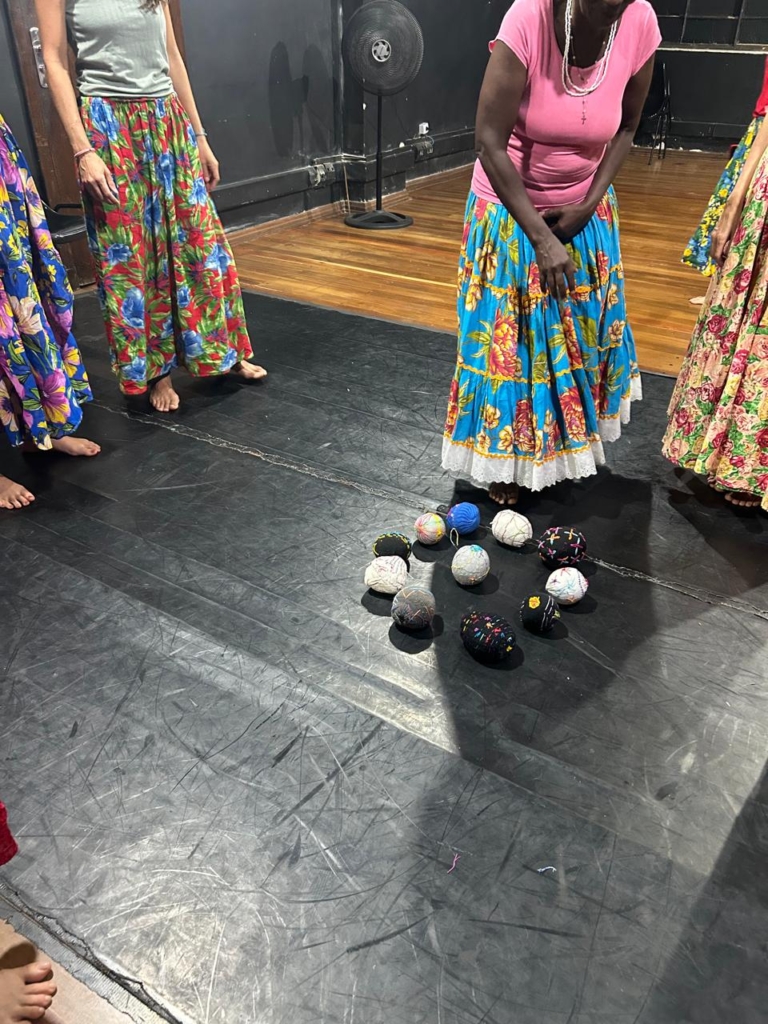
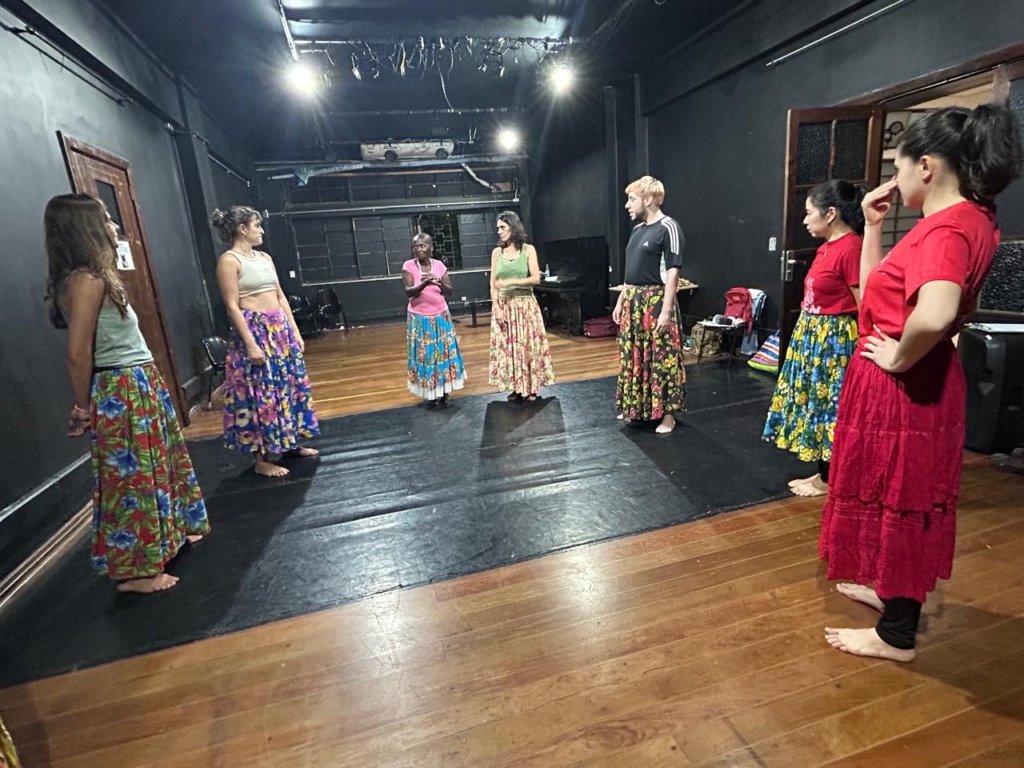
Brazilian Dances – Popular Brazilian dances of African heritage not only form the roots of national culture but were also part of the artistic formation of the director, Fernanda, who was one of the founders of the group Cupuaçu. In her youth, she lived and danced in Maranhão and later studied and worked at Teatro Vento Forte, where she met Ana Maria.
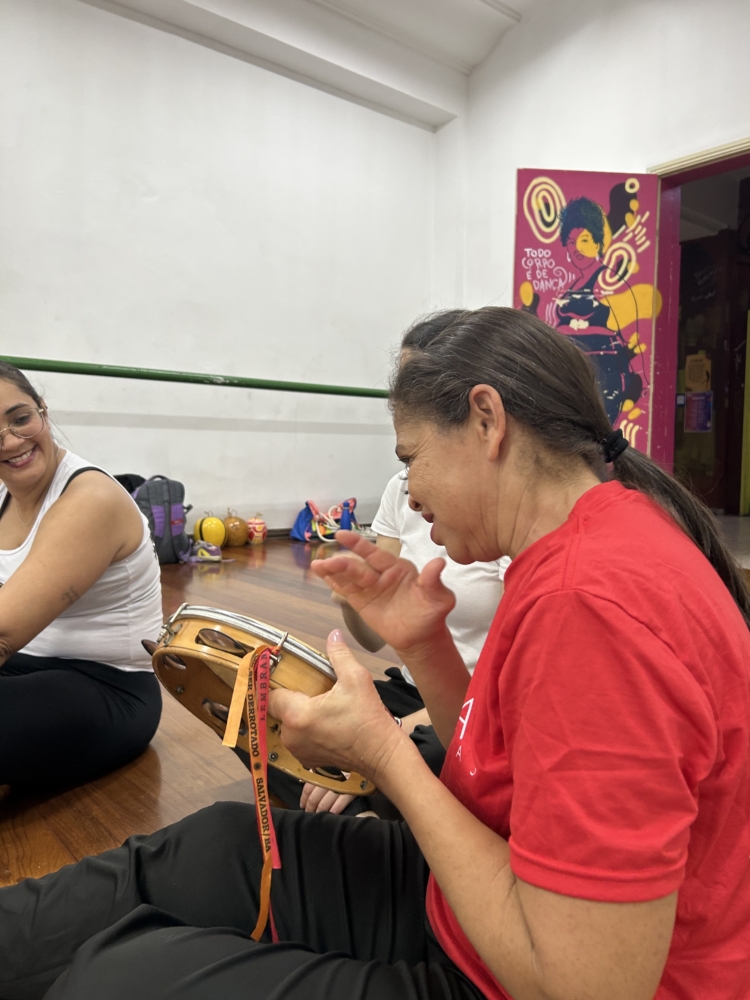
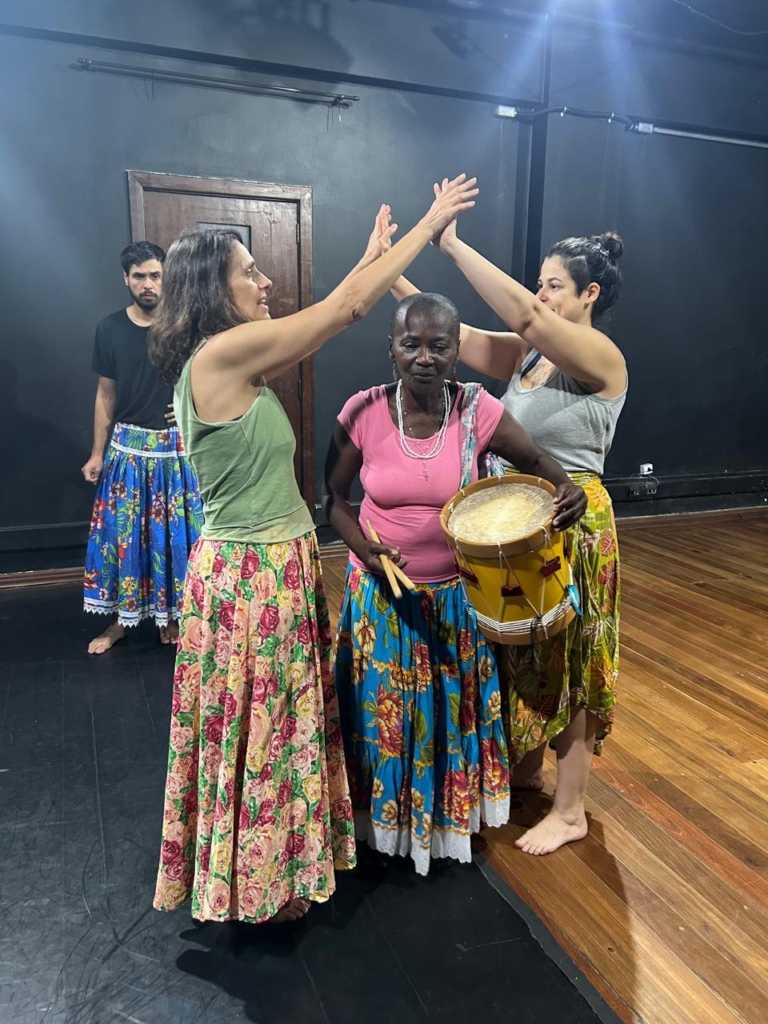
Ana Maria Carvalho – is a singer, dance-educator, and master of Popular Culture, awarded and recognized by Brazil’s Ministry of Culture. Ana Maria will bring her traditional songs and original compositions, as well as pieces from the popular repertoire, to the exchanges, which will be filled with music, dance, and percussion. These encounters will be deeply enriching moments of exchange for Dança sem Fronteiras, which often concludes its performances with cirandas and frevos, including original compositions.
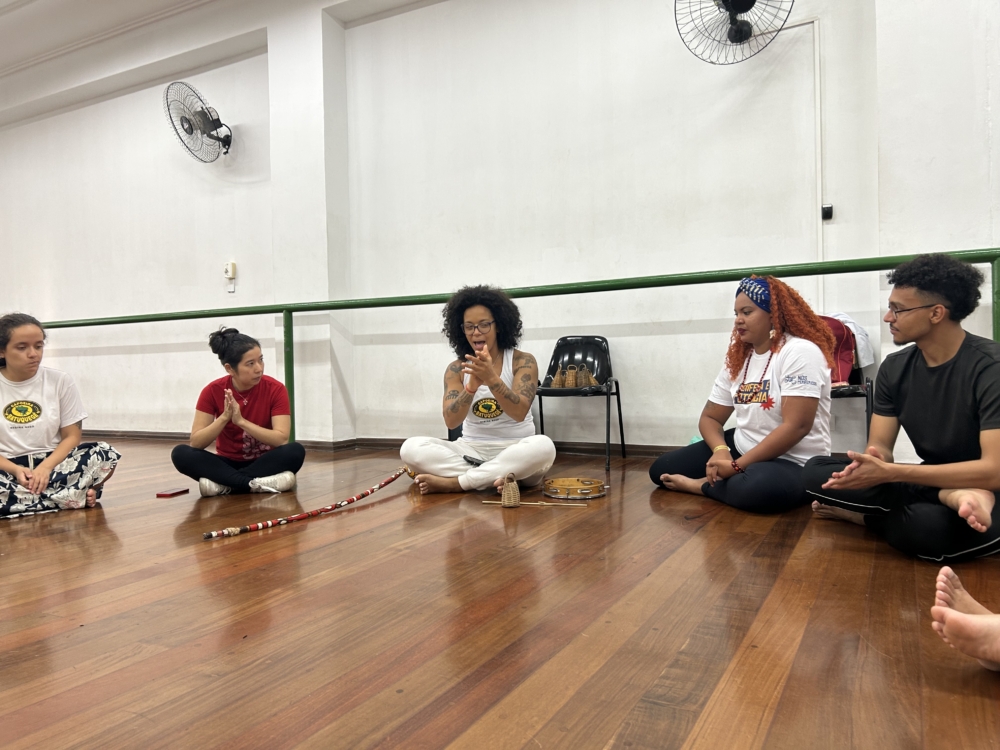
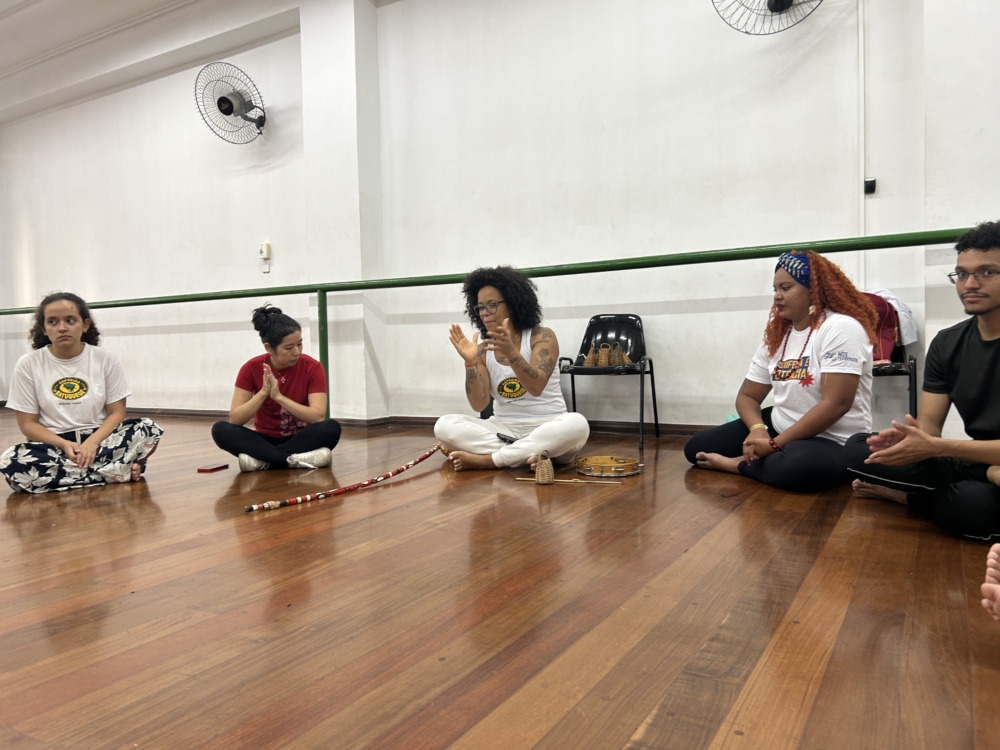
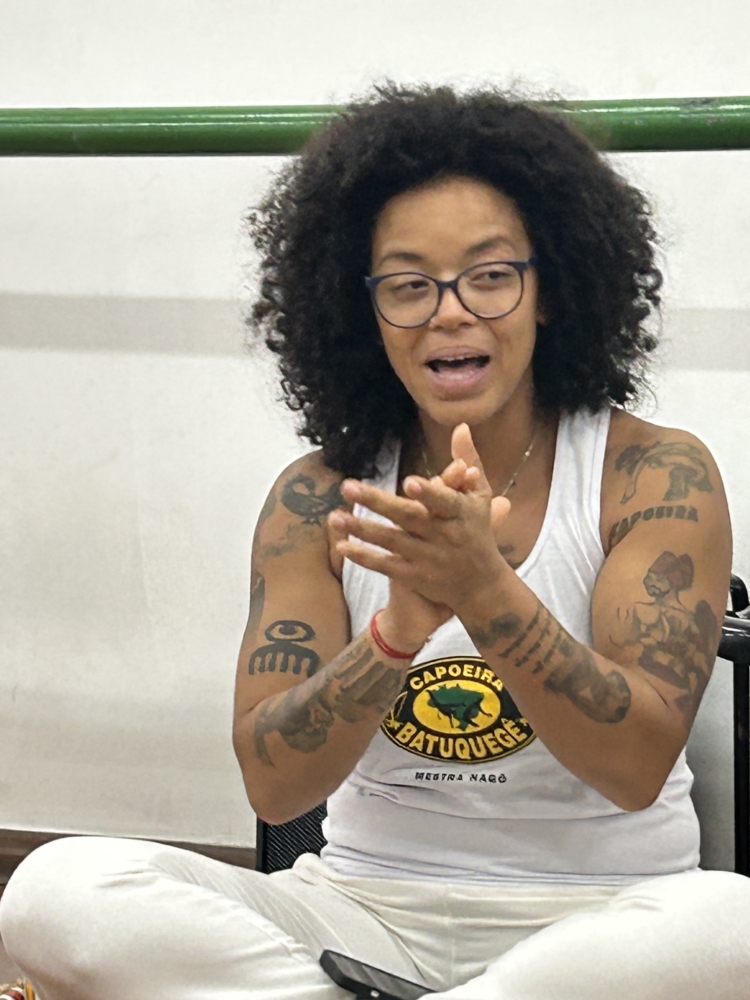
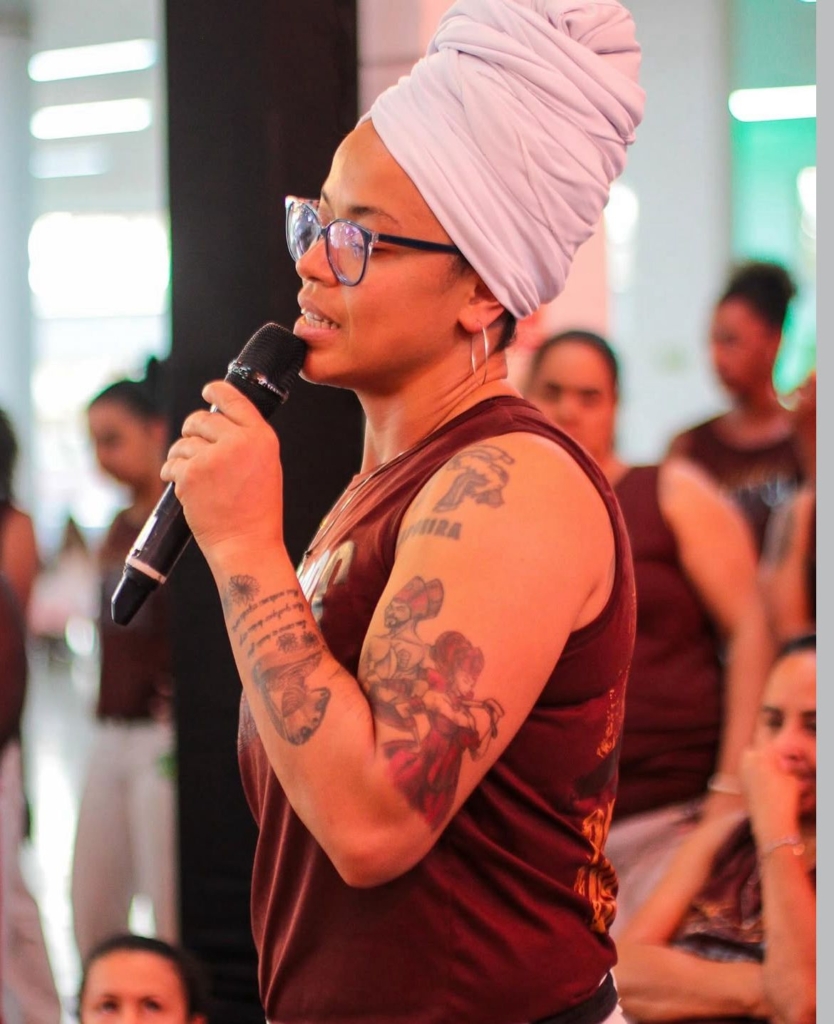
Capoeira – With its philosophy of ginga (the fundamental swaying movement) and embodied game-play, capoeira represents much of Brazilian identity, diversity, songs, and movement. The roda de capoeira was recognized as Brazilian Cultural Heritage in 2008 and, in 2014, was declared Intangible Cultural Heritage of Humanity by UNESCO.
Mestre Nagô – has extensive experience in education and in working with diverse groups of different ages and backgrounds, with one of his main goals being the strengthening of diversity. This will be a meaningful encounter between the diversity of Dança sem Fronteiras and its cast and the work and artistic proposals of Mestre Nagô.
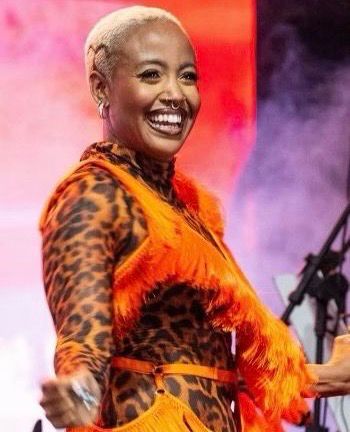
Urban Dances – These are part of the streets of the city of São Paulo. Gabriel Domingues, assistant director, has been strongly influenced by these dance forms and consistently brings their elements into Dança sem Fronteiras’ work. This will be a valuable opportunity to further integrate this language into the company’s artistic practice.
Mayara Rosa – has worked for many years with urban dances and founded an all-female urban dance collective, becoming an important influencer in the field and in the affirmation of its diversity. Mayara Rosa is the creator of Turmalinas Negra.